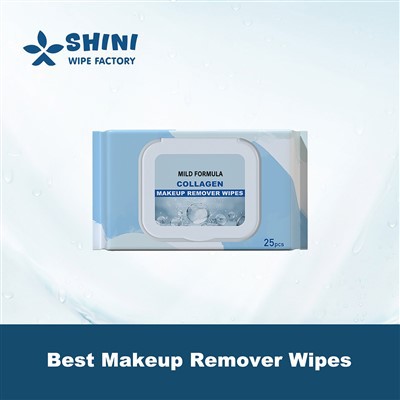
The price range of baby wipes can vary significantly based on several factors such as brand, material, size, quantity, and additional features. As a baby wipes supplier, I've had the opportunity to observe and understand these market dynamics closely. In this blog, I'll delve into the different price tiers of baby wipes and what influences their costs.
Factors Affecting the Price of Baby Wipes
Material
The material used in baby wipes is one of the primary factors that determine their price. For instance, 100% Bamboo Fiber Baby Wipes are often more expensive than those made from regular non - woven materials. Bamboo fiber is a natural and sustainable option. It is soft, hypoallergenic, and has antibacterial properties, making it ideal for a baby's sensitive skin. The production process of bamboo fiber wipes is also more complex, which adds to the cost.
On the other hand, Organic Cotton Baby Wipes are another premium option. Organic cotton is grown without the use of pesticides and synthetic fertilizers, ensuring a pure and gentle product for babies. The cost of organic cotton is higher due to the more labor - intensive and environmentally friendly farming methods.
Regular non - woven baby wipes, which are commonly made from polyester or polypropylene, are usually the most affordable. They are mass - produced and offer basic cleaning functionality.
Brand
Well - established brands often command a higher price for their baby wipes. These brands have built a reputation for quality, safety, and reliability over the years. They invest heavily in research and development, quality control, and marketing. Consumers are often willing to pay more for a brand they trust, especially when it comes to products for their babies.
Smaller or generic brands, on the other hand, may offer more budget - friendly options. While they may not have the same level of brand recognition, they can still provide good - quality baby wipes at a lower cost.
Quantity and Size
The quantity of baby wipes in a pack and the size of each wipe also impact the price. Larger packs with more wipes generally offer a better value per wipe. For example, a pack of 80 wipes may cost less per wipe than a pack of 40 wipes.
Similarly, larger - sized wipes are often more expensive than smaller ones. Larger wipes are more convenient for cleaning larger areas or for multiple uses, but they require more material, which increases the production cost.
Additional Features
Baby wipes with additional features such as aloe vera, vitamin E, or other natural ingredients for extra moisturization and skin protection tend to be more expensive. These added ingredients provide benefits for the baby's skin but also increase the cost of production.
Wipes that are fragrance - free, alcohol - free, and hypoallergenic are also priced higher. These features are important for babies with sensitive skin, but the production process to ensure these qualities is more stringent and costly.
Price Ranges
Budget - Friendly Baby Wipes
Budget - friendly baby wipes typically range from $0.01 to $0.05 per wipe. These wipes are often from generic brands or store - brand labels. They are usually made from non - woven materials and offer basic cleaning functionality. They may not have the premium features like natural ingredients or extra - soft materials, but they can still get the job done.
For example, a pack of 100 regular non - woven baby wipes from a generic brand might cost around $2 - $5. These wipes are a good option for parents on a tight budget or for those who need a large quantity of wipes for general cleaning.
Mid - Range Baby Wipes
Mid - range baby wipes usually cost between $0.05 and $0.10 per wipe. This price range includes wipes from well - known brands that offer a balance between quality and affordability. They may be made from better - quality non - woven materials or have some added features like a mild fragrance or a small amount of moisturizing ingredients.
A pack of 80 mid - range baby wipes could cost around $4 - $8. These wipes are suitable for most parents who want a reliable product without breaking the bank.
Premium Baby Wipes
Premium baby wipes can cost $0.10 or more per wipe. These are often made from high - quality materials like bamboo fiber or organic cotton and have a range of additional features. They are designed to be gentle, soft, and provide maximum skin protection.
For instance, a pack of 60 100% Bamboo Fiber Baby Wipes might cost around $8 - $12. These wipes are ideal for parents who are willing to spend more for a premium and environmentally friendly product.


Specialized Baby Wipes
There are also specialized baby wipes, such as Wet Wipes for Hands and Face. These wipes are formulated specifically for the delicate skin on a baby's hands and face. They are often more expensive than regular baby wipes, with prices ranging from $0.08 to $0.15 per wipe.
These specialized wipes may have extra - gentle ingredients and a softer texture to ensure they won't irritate the baby's sensitive facial skin.
Conclusion
As a baby wipes supplier, I understand that parents have different needs and budgets when it comes to choosing baby wipes. Whether you're looking for a budget - friendly option for everyday use or a premium product for your baby's sensitive skin, there is a wide range of choices available in the market.
If you're a retailer or distributor interested in sourcing baby wipes, I'd be more than happy to discuss our product offerings. We have a diverse range of baby wipes at different price points to meet your customers' needs. Please feel free to reach out to me to start a conversation about procurement and find the best solutions for your business.
References
- "The Economics of Baby Product Pricing" - Journal of Consumer Goods Economics
- "Materials and Manufacturing of Baby Wipes" - International Journal of Hygiene and Health Products