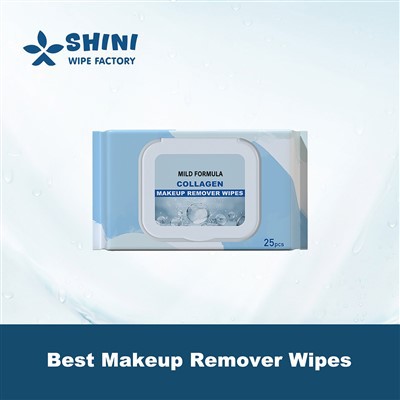
Baby wipes are a staple in households with infants and toddlers, offering a convenient and effective way to keep little ones clean. As a supplier of high - quality baby wipes, I've had the privilege of delving deep into the science behind how these seemingly simple products work to clean. In this blog, I'll take you through the key components and mechanisms that make baby wipes such a reliable cleaning solution.
The Basics of Baby Wipes
At first glance, baby wipes appear to be just moistened pieces of cloth. However, there's a lot more to them than meets the eye. They are designed to be gentle on a baby's sensitive skin while still being effective at removing dirt, debris, and messes.


The wipe itself is typically made from a non - woven fabric. Non - woven materials are created by bonding or interlocking fibers together rather than weaving them. This results in a material that is strong, absorbent, and soft. Different types of fibers can be used in the production of baby wipes, each with its own set of advantages.
Types of Fibers in Baby Wipes
- Organic Cotton: Organic cotton is a popular choice for baby wipes. It is hypoallergenic, soft, and breathable, making it ideal for a baby's delicate skin. Our Organic Cotton Baby Wipes are made from 100% organic cotton fibers, ensuring that they are free from harmful chemicals and pesticides. The natural properties of cotton allow it to absorb moisture and dirt effectively, leaving the baby's skin clean and fresh.
- Bamboo Fiber: Another excellent option is bamboo fiber. Bamboo is a fast - growing and sustainable resource. Our 100% Bamboo Fiber Baby Wipes are not only eco - friendly but also have natural antibacterial properties. Bamboo fibers are smooth and gentle on the skin, and they can hold a large amount of liquid, which helps in the cleaning process.
The Role of the Solution
The liquid solution in baby wipes is what truly makes them effective cleaners. This solution is carefully formulated to clean, moisturize, and protect the baby's skin.
Cleaning Agents
The cleaning agents in baby wipes are mild and gentle. They are designed to break down and remove dirt, oils, and bacteria from the skin without causing irritation. Surfactants are commonly used as cleaning agents. Surfactants have a unique molecular structure that allows them to reduce the surface tension of water. This enables the water to spread more easily over the skin and penetrate dirt and oil particles. Once the dirt is loosened, it can be wiped away with the wipe.
Moisturizers
Baby skin is thin and delicate, and it can easily become dry and irritated. That's why moisturizers are an essential part of the baby wipe solution. Common moisturizers used in baby wipes include glycerin, aloe vera, and shea butter. Glycerin is a humectant, which means it attracts and retains moisture on the skin. Aloe vera has soothing and anti - inflammatory properties, while shea butter provides a protective barrier on the skin, preventing moisture loss.
Antibacterial Agents
To keep the baby's skin clean and healthy, baby wipes often contain antibacterial agents. These agents help to kill or inhibit the growth of harmful bacteria on the skin. However, it's important to use gentle antibacterial agents that are safe for a baby's skin. Some baby wipes use natural antibacterial ingredients such as tea tree oil, which has been shown to have antimicrobial properties.
How Baby Wipes Clean in Different Situations
Diaper Changes
One of the most common uses of baby wipes is during diaper changes. When a baby has a bowel movement or urinates, the diaper area can become soiled with feces, urine, and bacteria. Baby wipes are used to clean this area thoroughly. The cleaning agents in the wipes break down the fecal matter and urine, while the moisturizers prevent the skin from drying out due to the contact with these substances. The antibacterial agents help to reduce the risk of diaper rash and other infections.
Cleaning Hands and Face
Babies are constantly exploring their environment, and their hands and faces can get dirty quickly. Our Wet Wipes for Hands and Face are specifically designed for these situations. They are gentle enough to use on the sensitive skin around the eyes and mouth. The wipes can remove dirt, food particles, and germs from the hands and face, helping to keep the baby clean and healthy.
The Science of Absorption
The ability of baby wipes to absorb liquids is crucial for their cleaning effectiveness. As mentioned earlier, the non - woven fabric of the wipe is designed to be absorbent. When the wipe comes into contact with a liquid (such as urine or a soapy solution), the fibers in the wipe draw the liquid in through capillary action. Capillary action is the ability of a liquid to flow in narrow spaces without the assistance of, or in opposition to, external forces like gravity.
The more absorbent the wipe, the more dirt and liquid it can hold. This means that fewer wipes are needed to clean a mess, which is not only more convenient but also more cost - effective.
Quality Control in Baby Wipe Production
As a baby wipe supplier, we understand the importance of quality control. Every batch of baby wipes undergoes rigorous testing to ensure that they meet the highest standards of safety and effectiveness.
We test the pH level of the wipe solution to make sure it is compatible with a baby's skin. The ideal pH for baby skin is slightly acidic, around 5.5. If the pH of the wipe is too high or too low, it can cause irritation.
We also test the strength and absorbency of the wipe material. The wipe should be strong enough to withstand the wiping process without tearing, and it should be able to absorb an adequate amount of liquid.
Conclusion
In conclusion, baby wipes work to clean through a combination of carefully selected materials and a well - formulated solution. The non - woven fabric provides the structure and absorbency, while the solution contains cleaning agents, moisturizers, and antibacterial agents. Whether it's during a diaper change or a quick clean of the hands and face, baby wipes are a convenient and effective way to keep babies clean and comfortable.
If you're interested in purchasing high - quality baby wipes for your business or personal use, I encourage you to contact us for a procurement discussion. We are committed to providing the best baby wipes on the market, and we look forward to working with you.
References
- "The Science of Skin Care" by Dr. Leslie Baumann
- "Textile Science and Engineering" textbooks
- Research papers on surfactant chemistry and its application in cleaning products