


As a supplier of Eco Pet Wipes, I often encounter questions from customers about the antibacterial properties of our products. In this blog post, I'll delve into the topic, exploring whether eco - friendly pet wipes can possess antibacterial capabilities, backed by scientific reasoning and practical insights.
Understanding Antibacterial Properties
Antibacterial properties refer to the ability of a substance to inhibit or kill bacteria. In the context of pet wipes, this means that the wipes can effectively reduce the number of harmful bacteria on a pet's body, which is crucial for maintaining their hygiene and health. Bacteria can cause a range of problems for pets, including skin infections, unpleasant odors, and in some cases, more serious health issues.
When it comes to traditional antibacterial products, they often contain chemicals like triclosan or benzalkonium chloride. These substances have been proven effective in killing bacteria, but they also raise environmental and health concerns. Triclosan, for example, has been associated with potential endocrine disruption and contributes to the development of antibiotic - resistant bacteria. This is where eco - friendly alternatives come into play.
Antibacterial Agents in Eco Pet Wipes
Eco pet wipes are designed to be gentle on the environment and the pet's skin. They typically use natural ingredients that have antibacterial properties. One such common ingredient is tea tree oil. Tea tree oil contains terpinen - 4 - ol, a compound that has been shown to have antibacterial, antifungal, and antiviral properties. A study published in the Journal of Applied Microbiology found that tea tree oil can effectively inhibit the growth of Staphylococcus aureus, a common skin pathogen in pets.
Another natural antibacterial agent is lavender oil. Lavender oil has long - standing uses in traditional medicine for its soothing and antibacterial effects. It contains linalool and linalyl acetate, which have been demonstrated to have antimicrobial activity against a variety of bacteria. The presence of these natural oils in our Eco Pet Wipes allows them to offer natural antibacterial protection.
Aloe vera is also an important component. While it is well - known for its moisturizing and soothing properties, aloe vera also has antibacterial effects. It contains compounds such as aloin and emodin, which have been reported to have antimicrobial actions. By applying eco pet wipes with aloe vera, not only can we clean the pet's fur and skin, but also reduce the bacterial load.
Scientific Testing of Antibacterial Performance
To ensure that our eco pet wipes have reliable antibacterial properties, we conduct a series of scientific tests. We use the agar diffusion method, which is a standard procedure in microbiology. In this test, we place a sample of the wipe on a culture medium that has been inoculated with a specific type of bacteria. If the wipe has antibacterial properties, a clear zone will form around the sample, indicating that the bacteria's growth has been inhibited.
We also test against a variety of bacteria commonly found on pets, including Escherichia coli and Pseudomonas aeruginosa. These bacteria can cause urinary tract infections, skin problems, and other health issues in pets. Our test results have consistently shown that our Eco Pet Wipes can effectively inhibit the growth of these bacteria, providing an extra layer of protection for our furry friends.
Comparison with Conventional Pet Cleaning Wipes
When comparing our eco pet wipes with conventional Pet Cleaning Wipes, the main difference lies in the ingredients. Conventional wipes often rely on synthetic chemicals for their antibacterial effects, while our eco - friendly options use natural ingredients.
In terms of antibacterial performance, our tests show that while conventional wipes may sometimes have a more immediate and potent antibacterial action, our eco pet wipes can achieve comparable long - term results. The natural antibacterial agents in our wipes work more gently, but they are also less likely to cause skin irritation or allergic reactions in pets. Moreover, the environmental impact of conventional wipes is much higher, as the synthetic chemicals can be harmful to the ecosystem when they enter waterways.

Applications of Antibacterial Eco Pet Wipes
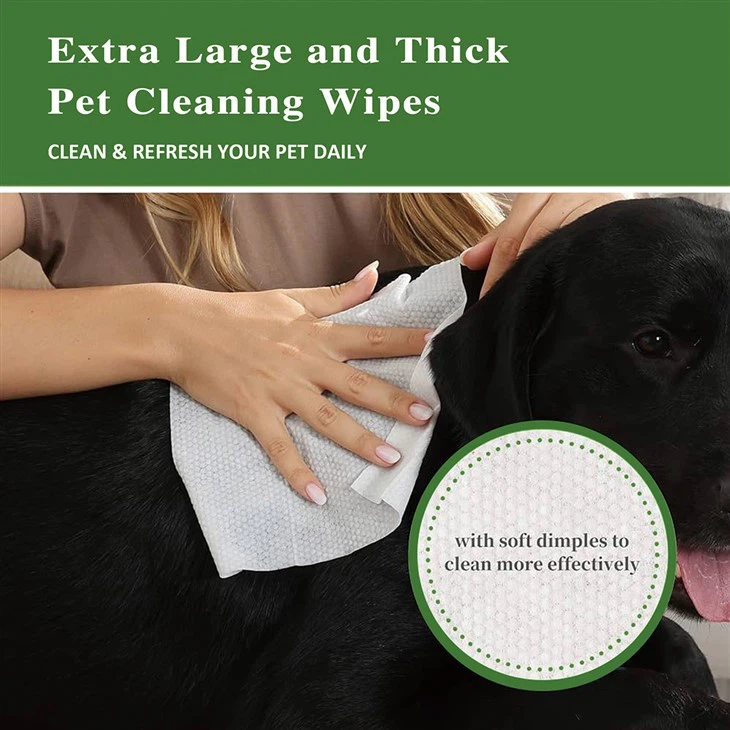
The antibacterial properties of our eco pet wipes make them suitable for a wide range of applications. For daily grooming, they can be used to clean a pet's paws after walks, removing dirt and bacteria that they may have picked up from the ground. They are also great for cleaning a pet's face, especially around the eyes and mouth, where bacteria can easily accumulate.
In addition, our Eco Pet Wipes are useful for pets with skin conditions. The antibacterial action can help prevent the spread of infections and soothe irritated skin. For example, if a pet has a minor skin abrasion, using an antibacterial wipe can reduce the risk of bacterial invasion and promote faster healing.
The Importance of Antibacterial Wipes in Pet Hygiene
Maintaining proper pet hygiene is crucial for the overall well - being of our pets. Bacteria can thrive in a warm and moist environment, such as a pet's fur and skin. By using antibacterial pet wipes regularly, we can keep the bacterial population in check, reducing the risk of skin diseases and other health problems.
Moreover, good pet hygiene also has a positive impact on the living environment. Pets often share our living spaces, and reducing the number of bacteria on their bodies means a cleaner and healthier home for everyone. Our Eco Pet Wipes offer a convenient and eco - friendly way to achieve this goal.
Contact for Purchase and Collaboration
If you're interested in our Eco Pet Wipes and their antibacterial properties, or looking for Pet General Cleaning Wipes for your business or personal use, we welcome you to reach out. We are open to discussions on purchasing, customization, and long - term collaboration. Get in touch, and let's work together to provide the best for our furry companions in an eco - friendly way.
References
- Carson, C. F., Hammer, K. A., & Riley, T. V. (2006). Antimicrobial activity of tea tree oil: a review. Clinical microbiology reviews, 19(1), 50 - 62.
- Buchbauer, G., Jirovetz, L., Jager, W., Dietrich, H., & Plank, C. (1993). Antimicrobial activity of essential oils from Lamiaceae. Flavour and fragrance journal, 8(5), 263 - 268.
- Reynolds, T. (1993). Studies on the chemistry, pharmacology and therapeutic properties of Aloe vera. American journal of Chinese medicine, 21(3 - 4), 163 - 178.


