


Can pet wipes be used on a pet that has been in a swampy area?
As a pet wipes supplier, I often receive inquiries from pet owners about the proper use of our products in various situations. One common question that comes up is whether pet wipes can be used on a pet that has been in a swampy area. In this blog post, I'll explore this topic in detail, considering the potential benefits and limitations of using pet wipes in such circumstances.
The Challenges of a Swampy Encounter
Swamps are unique ecosystems teeming with a variety of flora and fauna. When a pet ventures into a swampy area, it can pick up a multitude of substances that may pose risks to its health and well - being. These substances can include mud, algae, bacteria, fungi, and even parasites.
Mud is perhaps the most obvious issue. It can coat a pet's fur, making it heavy and uncomfortable. Additionally, the mud may contain harmful bacteria and other pathogens that can cause skin infections if left on the pet's body for an extended period. Algae, which are abundant in swamps, can also be a concern. Some types of algae produce toxins that can be harmful if ingested or come into contact with a pet's skin.
Bacteria and fungi are prevalent in swampy environments. They can cause skin irritations, hot spots, and other dermatological problems. Parasites such as ticks and fleas may also hitch a ride on a pet as it moves through the swamp, increasing the risk of infestation.
The Role of Pet Wipes
Pet wipes can play a crucial role in addressing some of the issues associated with a pet's visit to a swampy area. Our Eco Pet Wipes are designed to be gentle on a pet's skin while effectively removing dirt, debris, and some potential contaminants.
One of the primary benefits of using pet wipes is the immediate cleaning they provide. After a swamp adventure, you can quickly use a wipe to remove the visible mud and dirt from your pet's fur. This not only makes your pet more comfortable but also reduces the amount of foreign matter that could potentially cause problems later.
Our wipes are formulated with natural ingredients that are safe for pets. They can help soothe irritated skin and prevent the growth of bacteria and fungi. For example, many of our wipes contain aloe vera, which has anti - inflammatory properties and can help calm any skin irritations caused by the swamp environment.
In addition to cleaning the fur, pet wipes can also be used to clean a pet's paws. Paws are particularly vulnerable when walking through a swamp, as they come into direct contact with the ground and can pick up all sorts of contaminants. By using our Pet Wet Wipes, you can ensure that your pet's paws are clean and free from harmful substances.
Limitations of Pet Wipes
While pet wipes are a useful tool, they do have some limitations. They are not a substitute for a full bath. Pet wipes can only address the surface - level dirt and debris. If a pet has been deeply submerged in the swamp or has a large amount of mud caked on its fur, a bath may be necessary to thoroughly clean the pet.
Pet wipes may not be able to completely remove all types of contaminants. For example, if a pet has come into contact with toxic algae, the wipes may not be able to remove all of the toxins. In such cases, it is important to seek veterinary advice immediately.
Another limitation is that pet wipes may not be effective against all parasites. While they can remove some loose ticks and fleas, a more comprehensive parasite control program may be required to ensure that your pet is fully protected.
How to Use Pet Wipes After a Swamp Visit
When using pet wipes on a pet that has been in a swampy area, there are a few steps you should follow. First, make sure to choose the right type of wipe. Our Pet Cleaning Wipes are specifically designed for heavy - duty cleaning and are a great choice for post - swamp cleanups.

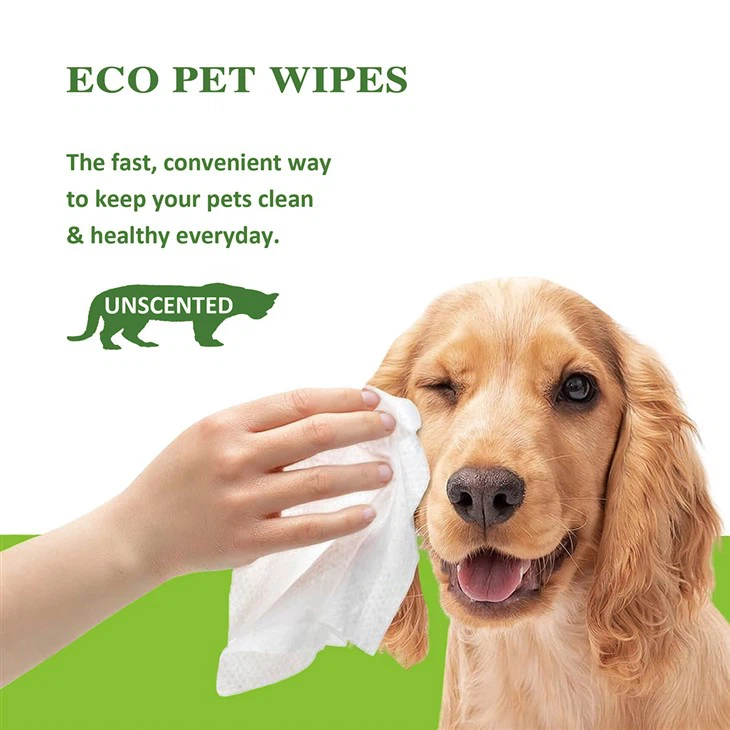
Start by gently wiping the visible mud and dirt from your pet's fur. Pay special attention to areas such as the paws, belly, and legs, which are most likely to be dirty. Use a fresh wipe for each area to avoid spreading contaminants.
If your pet has long fur, you may need to separate the fur to ensure that you are cleaning all the way down to the skin. Be gentle when wiping around sensitive areas such as the eyes, ears, and mouth.
After using the wipes, it's a good idea to check your pet for any signs of ticks or fleas. If you find any, use appropriate tick - removal tools or consult your veterinarian for advice.
Conclusion
In conclusion, pet wipes can be a valuable tool when dealing with a pet that has been in a swampy area. They offer a quick and convenient way to clean your pet, remove some of the dirt and debris, and soothe irritated skin. However, they are not a one - size - fits - all solution. In some cases, a full bath and additional veterinary care may be necessary.
As a pet wipes supplier, we are committed to providing high - quality products that meet the needs of pet owners. Our range of pet wipes, including Eco Pet Wipes, Pet Wet Wipes, and Pet Cleaning Wipes, are designed to keep your pets clean, healthy, and comfortable.
If you are interested in purchasing our pet wipes for your own use or for resale, we encourage you to contact us for more information and to discuss your specific requirements. We look forward to the opportunity to work with you and help you keep your pets in the best possible condition.
References
- Beug, M. W., & Whitton, B. A. (2013). The toxic cyanobacteria of North America: A guide to their identification, toxins, ecology, and impacts. CRC Press.
- Coates, J. R. (2011). Skin diseases of the dog and cat: Clinical and histopathologic diagnosis. Wiley - Blackwell.
- Dryden, M. W., & Payne, P. A. (2006). Fleas and ticks: Biology, treatment, and prevention. Veterinary Clinics of North America: Small Animal Practice, 36(2), 241 - 264.


