Can lens antifog wipes be used on binocular lenses? That's a question I get asked a lot as a supplier of Lens Antifog Wipes. And it's a valid one, considering how important it is to keep your binoculars in top-notch condition for those clear, crisp views.
First off, let's talk about why binocular lenses might fog up in the first place. When there's a difference in temperature between the air inside and outside the binoculars, moisture can condense on the lenses. This usually happens when you move from a cold environment to a warm one, or vice versa. It can also occur in humid conditions. And when your lenses fog up, it's like looking through a blurry window - you can't enjoy the beautiful scenery or spot that rare bird you've been waiting to see.
So, can our lens antifog wipes come to the rescue? The short answer is yes, in most cases. Our wipes are designed to create a thin, invisible film on the lens surface. This film helps to prevent moisture from condensing into droplets, which is what causes the fogging effect. Instead, the moisture spreads out evenly across the lens, maintaining clear visibility.
One of the great things about our lens antifog wipes is that they're very gentle on the lenses. Binocular lenses are often made of high-quality glass or specialized optical plastics, and they need to be treated with care. Our wipes are formulated with mild, non-abrasive ingredients that won't scratch or damage the delicate lens surfaces. So you can use them with confidence, knowing that you're not going to harm your expensive binoculars.


Another advantage is that our wipes are easy to use. You simply take a wipe from the pack, unfold it, and gently wipe the lens surface in a circular motion. Make sure to cover the entire lens area. After that, let the lens dry for a few seconds, and you're good to go. It's a quick and hassle-free way to keep your binocular lenses fog-free.
But, like with any product, there are a few things to keep in mind. Some binoculars have special coatings on their lenses, such as anti-reflective coatings or hydrophobic coatings. Before using our wipes on binoculars with these coatings, it's a good idea to test a small, inconspicuous area first. This will help you make sure that the wipes don't have any adverse effects on the coating.
Also, while our wipes are effective at preventing fogging, they're not a permanent solution. Over time, the antifogging film will wear off, especially if you're using your binoculars frequently or in harsh conditions. So, you may need to reapply the wipes periodically to maintain the antifogging effect.
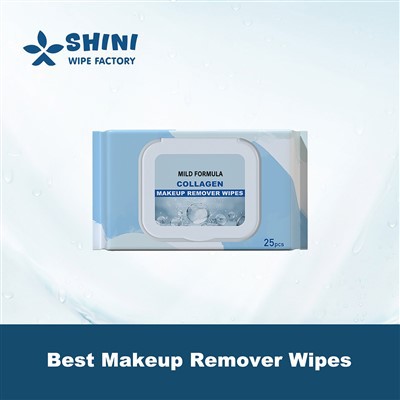
Now, let's compare our lens antifog wipes with some other types of wipes out there. For example, Best Makeup Remover Wipes are designed for removing makeup from the skin. They have different ingredients and are formulated for a different purpose. Using makeup remover wipes on binocular lenses could leave behind residue or damage the lens coatings.
Similarly, Gentle Cleansing Makeup Remover Wipes are meant for gentle skin cleansing. They're not suitable for use on binocular lenses as they may not have the antifogging properties and could potentially harm the lenses.
And then there are Ejaculation Delay Wipes, which are completely off-topic when it comes to binocular lenses. These wipes are designed for a very specific use in a different context and have no place near your precious binoculars.
In conclusion, our lens antifog wipes are a great option for keeping your binocular lenses fog-free. They're gentle, easy to use, and effective. Just make sure to do a test patch if your binoculars have special coatings, and reapply the wipes as needed.
If you're interested in purchasing our Lens Antifog Wipes for your binoculars or other optical devices, I'd love to talk to you. Whether you're an individual looking for a reliable solution for your personal binoculars or a business in need of bulk orders, we can work together to meet your needs. Contact me to start the procurement discussion and let's get your lenses fog-free!
References
- Optics 101: Understanding Binocular Lenses and Coatings. A guidebook on binocular maintenance and care.
- Scientific studies on antifogging technologies and their application to optical surfaces.